Literarisches & Journalistisches

Meta soll Studie zu psychischen Schäden vertuscht haben
23. November, 2025Weniger Depression, Angst, Einsamkeit, schon nach einer Woche Social-Media-Abstinenz: Das geht laut Gerichtsakten aus einer Studie hervor, die Meta abgebrochen hat. Der Konzern weist die Vorwürfe zurück.
Wie Google das Innovator’s Dilemma löste
05. November, 2025Google hat es geschafft, mit KI-Antworten mehr Geld zu verdienen als mit der klassischen Suchmaschine. Kollateralschäden für das Web nimmt das Unternehmen dabei in Kauf.

New figures show that the digital industry as a whole is now spending €151 million a year on lobbying the EU, a major increase to what was already considerable firepower.
,regionOfInterest=(1216,610)&hash=5d1cccc6ba1ce0c39599dd5b0ee7b6a4632f37a55003b91e65cc004b646d4108)
OpenAI hat mit ChatGPT eine beeindruckende Marktführerschaft erlangt. Im Juli 2025 erreichte ChatGPT einen Marktanteil von 82.6 Prozent.

SCHUFA Risiko- und Kredit-Kompass
02. September, 2025Wir stellen zentrale Kennzahlen zum Kreditverhalten von Unternehmen und Privatpersonen in der Corona-Krise zur Verfügung.

Watching You – Die Welt von Palantir und Alex Karp
02. August, 2025Watching You – Die Welt von Palantir und Alex Karp ist ein deutscher Dokumentarfilm des Regisseurs Klaus Stern, der ein kritisches Portrait des US-Unternehmers Alex Karp, CEO und Mitgründer von Palantir Technologies, und dessen umstrittenen Unternehmens zeigt.

Simone und Malcolm Collins wollen so viele Kinder in die Welt setzen, wie sie können. Sie sind „Pronatalisten“, so wie Elon Musk. Ein Besuch

Wirtschaftswissenschaftler von FehrAdvice & Partners belegen mit verhaltensökonomischem Experiment: 73 Prozent der Nutzer bevorzugen die Suchmaschine Google mit journalistischen Inhalten. Weitere Erkenntnisse: journalistische Medien tragen besonders zu Aktualität, Vertrauen sowie Vollständigkeit von Suchergebnissen bei. Im Schnitt erhöhen journalistische Medien den Wert von Google um 24 Prozent. Das Beratungsunternehmen, das von Professor Ernst Fehr, einem weltweit führenden Verhaltensökonomen gegründet wurde, hat vergleichbare Studien bereits in der Schweiz, Großbritannien und Polen durchgeführt.

Tech-Milliardär Elon Musk hat das Ende seiner Tätigkeit für die US-Regierung bekannt gegeben. Als Berater von Präsident Trump kümmerte er sich um die hoch umstrittene Effizienzbehörde DOGE. Das Weiße Haus bestätigte Musks Abgang.

US-Tech-Milliardäre wollen eine gentechnisch selektierte Nachkommenschaft. Hinter der Rhetorik von der Rettung der Menschheit steht ein kaum versteckter Rassismus: Nur die Besten sollen sich vermehren.
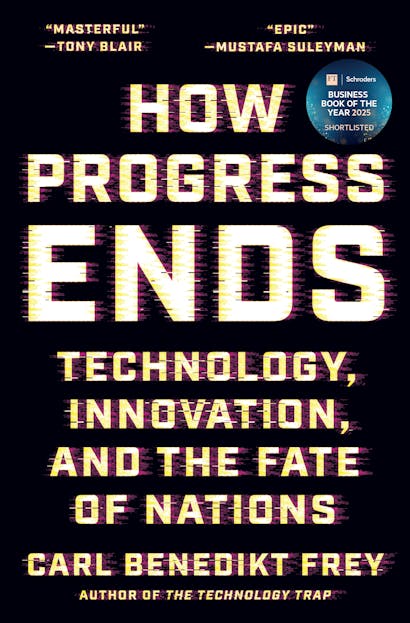
In How Progress Ends, Carl Benedikt Frey challenges the conventional belief that economic and technological progress is inevitable. For most of human history, stagnation was the norm, and even today progress and prosperity in the world’s largest, most advanced economies—the United States and China—have fallen short of expectations. To appreciate why we cannot depend on any AI-fueled great leap forward, Frey offers a remarkable and fascinating journey across the globe, spanning the past 1,000 years, to explain why some societies flourish and others fail in the wake of rapid technological change.

Demokratie statt Algokratie
02. Januar, 2024Man muss es so drastisch formulieren: Die Demokratie ist bedroht. Heute haben einige wenige amerikanische Big-Tech-Unternehmen Wirtschaftszweige erobert, durch die sie die vierte Macht im Staat zerstören können: den privat finanzierten und auch den öffentlich-rechtlichen Journalismus. War es zunächst "nur" die Kakophonie der sozialen Netzwerke so wird nun durch generative KI wie ChatGPT des amerikanischen Unternehmens OpenAI, das von Microsoft beherrscht wird, die Produktion von Texten und Bildern zunehmend von Journalisten an algorithmische Systeme ausgelagert. Der KI müssen klare rote Linien gesetzt werden, wie das der AI-Act der EU-Kommission vorbereitet.

The Techno-Optimist Manifesto | Andreessen Horowitz
16. Oktober 2023We are told that technology is on the brink of ruining everything. But we are being lied to, and the truth is so much better. Marc Andreessen presents his techno-optimist vision for the future.
The Normative Power of Artificial Intelligence
11. Oktober, 2023Artificial intelligence technologies are spreading across society. Generative systems, such as ChatGPT and DALL-E, provide only some examples of the expanding consumption and commodification of artificial intelligence applications in daily life. Nonetheless, the extensive trust and reliance on these technologies in public and private sectors is raising questions for the rule of law. Artificial intelligence technologies are not only mere tools which challenge the protection of fundamental rights when these systems moderate online speech, check employment performances in the workplace, and evaluate credit scores. Particularly, machine learning technologies also contribute to creating norms and rules shaping the enforcement of their functions, thus defining another generative layer of normativity competing with the rule of law in the algorithmic society. This work argues that artificial intelligence systems, particularly machine learning, develop norms by experience and learning within an opaque, technical space. The norms governing these systems are not always immutable but shaped across time. In the algorithmic society, code is not only law but also a source of law. The consolidation of this normative power, or the rule of tech, raises questions for constitutional democracies that are already struggling with solutions to limit other forms of normativity, primarily the predominance of online platforms in the setting of transnational private standards. This plurality of sources has put the rule of law under pressure. The expansion of the rule of tech as a source of norms leads to addressing the spaces for the rule of law and the limits of powers in the algorithmic society, as underlined by the European regulatory approach on artificial intelligence. Within this framework, this work analyses the challenges raised by the normative power of artificial intelligence systems and examines the spaces for the rule of law in the algorithmic society.

Digitale Monopole bringen immer größere Teile unserer Lebenswelt unter ihre Kontrolle. Die Plattformen dominieren zunehmend die politische Meinungsbildung und schaffen zugleich unsere freie Marktwirtschaft ab. Digitalexperte Martin Andree zeigt messerscharf, wie weit die feindliche Übernahme unserer Gesellschaft durch die Tech-Giganten schon fortgeschritten ist – und wie wir uns das Internet zurückerobern können.

Akzelerationismus Teil 2: /acc - Das Kapital ist eine K.I.
28. August 2020Einführung in die Philosophie der Denkschule des Akzelerationismus /acc - Das Kapital ist eine K.I. Von Karl Marx bis Nick Land.
The challenges to humanity posed by the digital future, the first detailed examination of the unprecedented form of power called "surveillance capitalism," and the quest by powerful corporations to predict and control us.The heady optimism of the Internet's early days is gone. Technologies that were meant to liberate us have deepened inequality and stoked divisions. Tech companies gather our information online and sell it to the highest bidder, whether government or retailer. Profits now depend not only on predicting our behaviour but modifying it too. How will this fusion of capitalism and the digital shape our values and define our future?Shoshana Zuboff shows that we are at a crossroads. We still have the power to decide what kind of world we want to live in, and what we decide now will shape the rest of the century. Our choices: allow technology to enrich the few and impoverish the many, or harness it and distribute its benefits. The Age of Surveillance Capitalism is a deeply-reasoned examination of the threat of unprecedented power free from democratic oversight. As it explores this new capitalism's impact on society, politics, business, and technology, it exposes the struggles that will decide both the next chapter of capitalism and the meaning of information civilization. Most critically, it shows how we can protect ourselves and our communities and ensure we are the masters of the digital rather than its slaves.
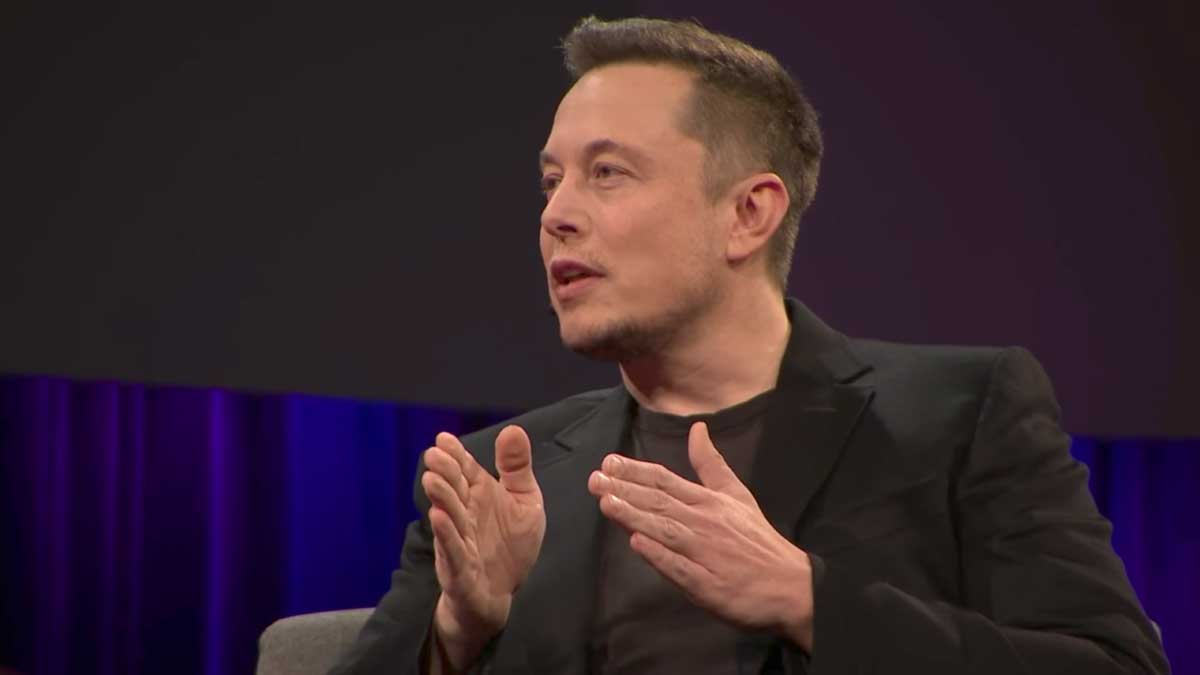
Musk und Putin warnen im Einklang vor KI-Gefahren
4. September 2017Der Techvisionär warnt die Welt erneut vor der Übermacht der Maschinen. Der Dritte Weltkrieg drohe nicht durch Nordkorea, sondern KI.

100 Voices
2010Drawing on 100 never-before-published interviews, Scott McConnell presents a unique portrait of a larger-than-life literary giant and a fascinating individual, Ayn Rand. Focusing on the private Rand, McConnell talked to the author's family, friends, fans, and associates, as well as Hollywood stars, university professors, fiction writers, and many more. Arranged in chronological order, these interviews cover a broad range of years, contexts, relationships, and observations on one of the most influential- and controversial-figures of the twentieth century. From Ayn Rand's youngest sister to the woman who inspired the character of Peter Keating in The Fountainhead, the subjects interviewed offer fresh, sometimes surprisingly candid, affectionate, and intriguing insights into a complex and remarkable writer, philosopher, and human being.
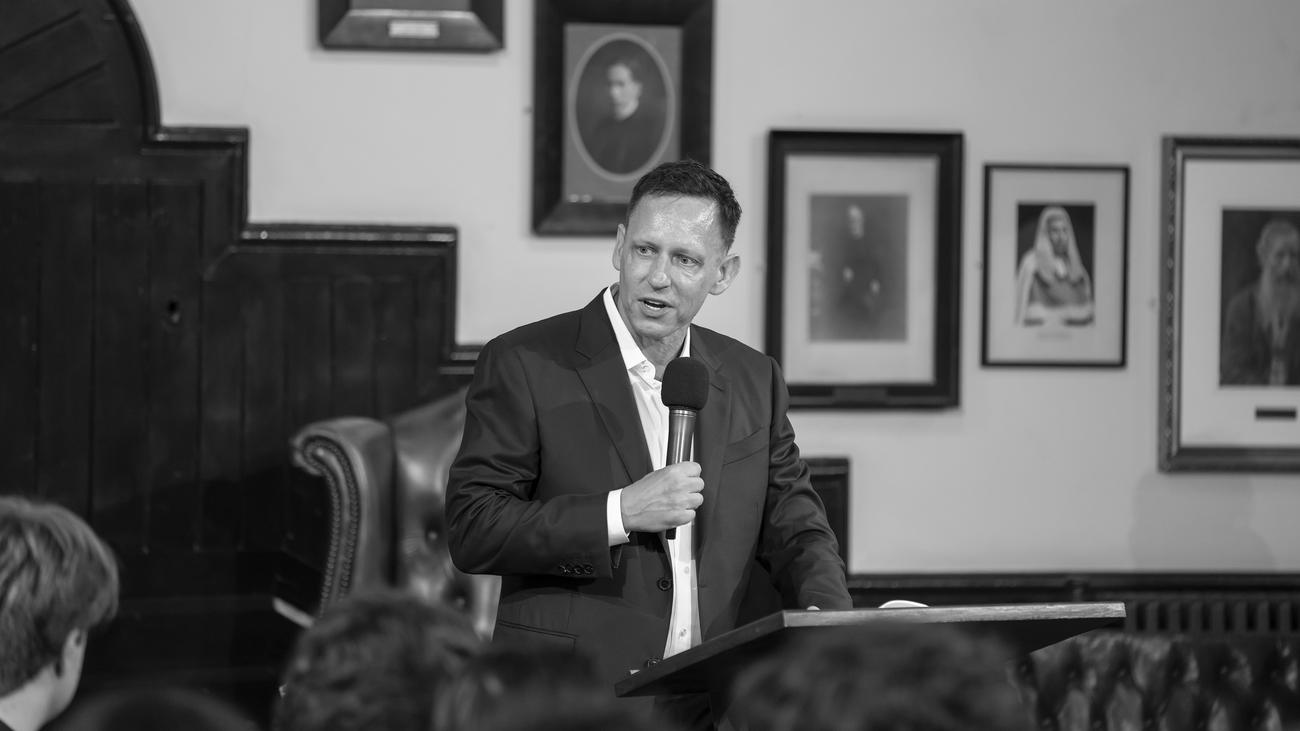
The Education of a Libertarian
13. April, 2009I remain committed to the faith of my teenage years: to authentic human freedom as a precondition for the highest good. I stand against confiscatory taxes, totalitarian collectives, and the ideology of the inevitability of the death of every individual. For all these reasons, I still call myself “libertarian.”
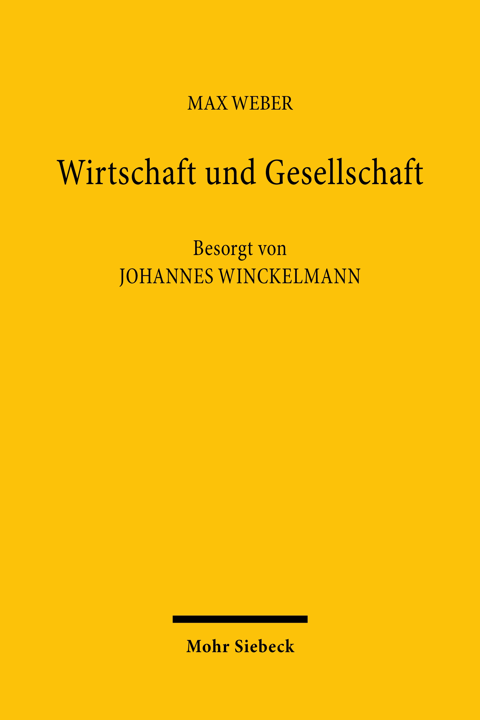
Wirtschaft und Gesellschaft (abgekürzt oft WuG) ist ein soziologisches Werk Max Webers und wurde 1921 und 1922 in vier Lieferungen postum von seiner Frau Marianne als 3. Abteilung des Grundrisses der Sozialökonomik veröffentlicht. Seit der vierten Auflage aus dem Jahr 1956 trägt es den Titel Wirtschaft und Gesellschaft – Grundriß der verstehenden Soziologie.

„Verweigere den alten Kategorien des Negativen (Gesetz, Grenze, Kastration, Mangel, Lücke), die das westliche Denken so lange als eine Form der Macht und einen Zugang zur Realität geheiligt hat, jede Gefolgschaft! Gib dem den Vorzug, was positiv ist und multipel, der Differenz vor der Uniformität, den mobilen Dispositiven vor den Systemen! Glaube daran, daß das Produktive nicht seßhaft ist, sondern nomadisch!“